
How to Clean and Care for a Refinished Bathtub
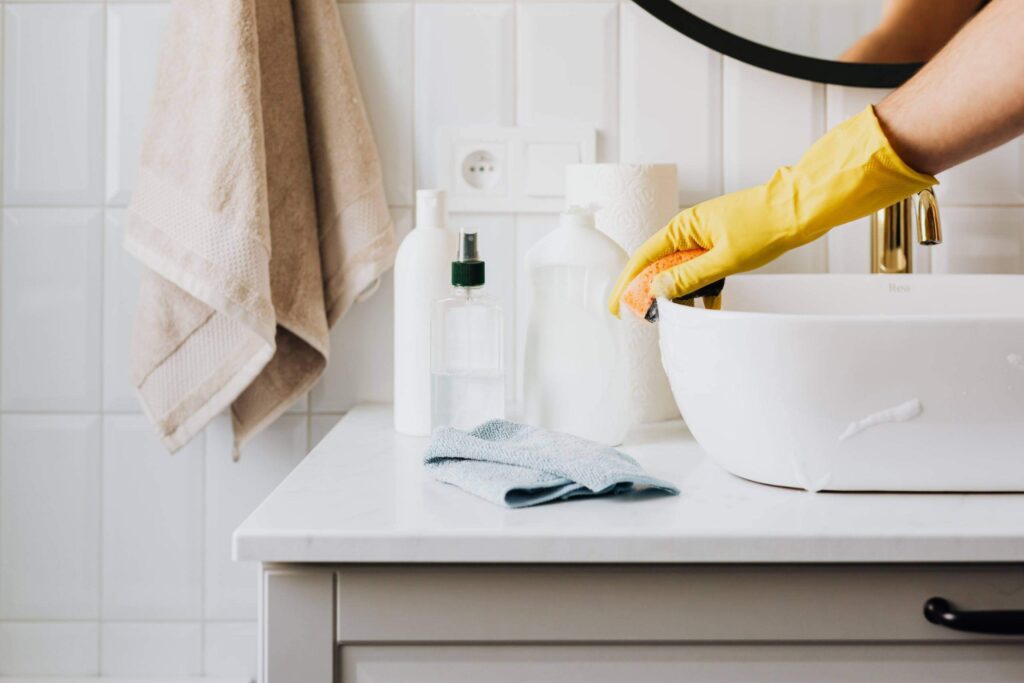
A professionally refinished bathtub is easy to maintain when it is cleaned correctly.
To help protect the new surface, wait at least 24 hours before using the bathtub, clean it regularly with mild non-abrasive products, and avoid abrasive powders, rough scrubbers, and anything that may scratch or damage the coating.
Proper care can help your refinished bathtub stay smooth, glossy, and attractive for many years.
After Eco Tub Restoration refinishes your bathtub, shower base, sink, or tile surface, allow the new coating to cure for approximately 24 hours before using it.
During this time:
After the initial curing period, the bathtub can normally be used as usual.
The best way to clean a refinished bathtub is to use a mild, non-abrasive bathroom cleaner together with a soft sponge or microfiber cloth.
For regular cleaning:
Regular light cleaning is better than allowing soap residue, body oils, or mineral deposits to build up for long periods of time.
Use gentle cleaning products that do not contain abrasive particles.
Good options include:
Always use a soft sponge, microfiber cloth, or other non-abrasive cleaning material.
If you are trying a new cleaner, test it on a small area first and do not allow strong cleaning products to remain on the surface for an extended period.
Yes. Diluted white vinegar can be used on a refinished bathtub for light cleaning and mineral buildup.
A simple mixture of white vinegar and water can help remove soap residue and hard-water deposits without using abrasive powders.
Apply the solution with a soft cloth or sponge, rinse the surface thoroughly, and do not leave the solution sitting on the bathtub for long periods.
The most important rule is to avoid products or tools that can scratch or aggressively attack the refinished surface.
Avoid:
Do not use sharp objects to remove stains or buildup.
Even a durable coating can be damaged by repeated abrasive cleaning or physical impact.
For most bathrooms, cleaning the bathtub approximately once a week is a good routine.
Bathrooms that are used more frequently may need more frequent cleaning.
Regular cleaning prevents soap scum, body oils, and mineral deposits from becoming difficult to remove.
It is much better to clean the surface gently and regularly than to wait until heavy buildup develops and then use aggressive cleaners.
Yes. Bath mats can be used on an Eco Tub refinished bathtub.
However, we recommend removing the mat after each use rather than leaving it permanently on the bottom of the bathtub.
Water and moisture can remain trapped underneath a mat for long periods of time. Removing it allows the surface to dry properly and also makes regular cleaning easier.
If additional slip protection is important, Eco Tub Restoration also offers a non-slip surface option for bathtub bottoms.
Suction-cup mats may be used, but they should not remain attached to the bathtub continuously.
Remove the mat after bathing or showering, rinse the bathtub, and allow the surface underneath to dry.
Do not pull aggressively on suction cups if they are strongly attached to the surface.
Yes, but take some precautions to protect the surface.
Dog nails can scratch many bathroom surfaces, including refinished coatings.
If you wash a dog in the bathtub:
Drain cleaning products should be used carefully.
Whenever possible, avoid allowing concentrated drain cleaner to sit directly on the refinished surface.
Follow the drain-cleaner manufacturer’s instructions and rinse any accidental contact with the bathtub surface thoroughly with water.
For serious drain problems, mechanical drain cleaning or professional plumbing service may be a safer option for the refinished surface.
A refinished bathtub is designed for normal everyday use, but heavy or sharp objects can damage almost any finished surface.
Be careful with items such as:
Do not use the bathtub as a work surface during home improvement projects.
If contractors are working in the bathroom, protect the refinished bathtub before tools, ladders, tile, or construction materials are brought into the area.
Do not ignore a faucet that continually drips in the same location.
Constant water exposure may eventually contribute to mineral buildup, staining, or wear in one area of the bathtub.
Repairing a leaking faucet also makes the bathtub easier to keep clean.
A professionally refinished bathtub can last 10–15 years with proper care, depending on the condition of the original bathtub, preparation, frequency of use, cleaning habits, and maintenance.
Using gentle cleaning products and avoiding scratches, impacts, and harsh chemicals can significantly help extend the life of the refinished surface.
If you accidentally chip, scratch, or damage the refinished surface, do not try to repair it with household paint, caulk, or a DIY bathtub repair kit.
Small damage can often be repaired professionally before it develops into a larger problem.
Take a clear photo of the damaged area and contact Eco Tub Restoration so we can determine the best repair option.
For the best long-term results:
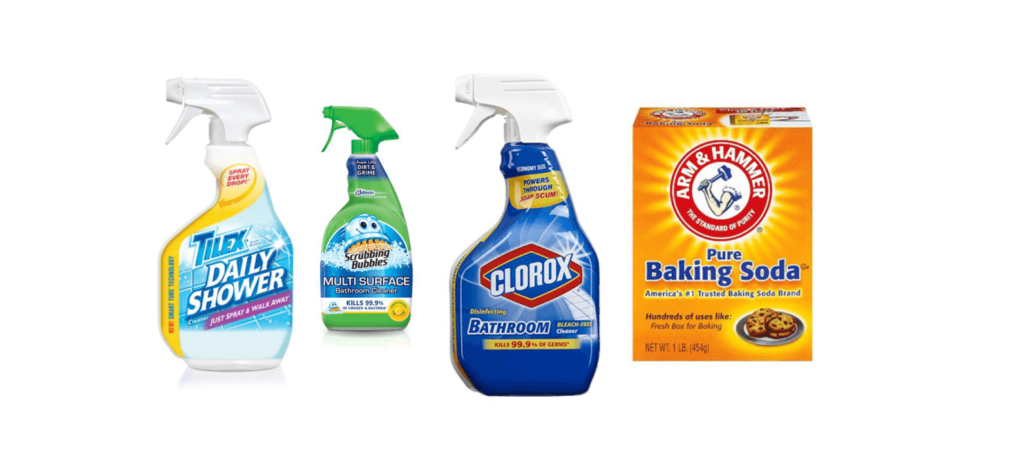
If Eco Tub Restoration refinished your bathtub, shower base, sink, or tile and you are unsure whether a cleaning product is safe to use, feel free to contact us before using it.
You can also send us a photo of the product or the affected surface, and we can help you determine the best way to clean or maintain it.
Eco Tub Restoration provides professional bathtub refinishing, sink reglazing, shower base refinishing, tile restoration, and bathtub repair services throughout Chicago and the surrounding suburbs.
Answer a few quick questions and get a special quiz offer from Eco Tub Restoration.